

(H/B) A CULTURE OF FREEDOM
ANCIENT GREECE AND THE ORIGINS OF EUROPE - CHRISTIAN MEIER
CHRISTIAN MEIER
Γράψτε μία αξιολόγηση
Εξαντλημένο στον εκδότη
Ενημερώστε με όταν το προϊόν είναι ξανά διαθέσιμο
Δεν υπάρχει δυνατότητα παραγγελίας.
Πιθανή θέση του είδους: Είσοδος Δ, Βιβλιοθήκη -
22.30€Τιμή Πολιτείας
Ενημερώστε με όταν το προϊόν είναι ξανά διαθέσιμο
Παρουσίαση
The book takes us on a tour through the rich spectrum of Greek life and culture, from their epic and lyric poetry, political thought and philosophy, to their social life, military traditions, sport, and religious festivals, and finally to the early stages of Greek democracy. Running as a connecting thread throughout is a people's attempt to create a society based upon the freedom rather than power.
It is this which, Meier argues, is the distinctive key to Greek culture, marking it out from all that had gone before, including the ancient societies of the Middle East from which the Greeks otherwise borrowed so much. The ancient Greeks managed to build a society founded on the concept of freedom - and by doing so helped mould the Europe that we live in today. (From the publisher)
Περιεχόμενα
Foreword by Kurt Raaflaub
Part I: The Question of Beginnings
1: A Most Unusual Case (I): The Co-Option of Antiquity by Medieval and Modern Europe
2: The Challenge of Freedom
3: A Most Unusual Case (II): The Formation of Medieval and Early Modern Culture
4: The Constitution of Europe as a Part of the World
5: Greeks and Persians (I): Freedom and Rule: Atossa's dream
6: Europe and Asia in Antiquity
7: Antiquity as European Pre- or Early History
Part II: The Rise of the Polis
1: A Post-Mycenaen New Beginning: Origins of Greek Particularity
2: The Dawn of an Era: The 8th Century BC
3: The Greeks and the Orient
4: Colonialism
5: Homer and Hesiod
6: Gods and Priests
7: Crisis and Consolidation: The 7th and 6th Centuries BC
8: Polis Individualism and the Pan-Hellenic Context: The Agonal
9: The Diversity of the Poleis: Sparta and Other Cities
10: The Wars
11: Polis Structure: Public Sphere and Institutions
12: Crisis: Aristocratic Battles, Outrage, Tyranny
13: Lyric Poetry: The Symposium and a Reorientation Toward Virtue
14: The Beginnings of Political Thought: The Middle Ones
15: The Beginnings of Greek Philosophy and Science
16: Athens' Path Toward Isonomia and Rise to Power
17: The Aegean World Around 500 BC: Greeks and Persians (2)
Afterword
Είδατε πρόσφατα
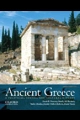
(P/B) ANCIENT GREECE // A POLITICAL, SOCIAL, AND CULTURAL HISTORY

ΜΑΡΑΘΩΝΑΣ // Η ΜΑΧΗ ΤΩΝ ΜΑΧΩΝ

Ο ΑΡΧΑΙΟ-ΕΛΛΗΝΙΚΟΣ ΑΠΟΙΚΙΣΜΟΣ ΚΑΙ ΤΟ ΜΑΝΤΕΙΟ ΤΩΝ ΔΕΛΦΩΝ

Ο ΕΛΛΗΝΙΚΟΣ ΚΟΣΜΟΣ ΜΕΤΑ ΤΟΝ ΑΛΕΞΑΝΔΡΟ (ΔΙΤΟΜΟ-ΣΚΛΗΡΟΔΕΤΗ ΕΚΔΟΣΗ) // 323-30 π.Χ.
Σχετικά Προϊόντα


Δείτε επίσης




Best Sellers της Κατηγορίας




Προπαραγγελίες









Νέες Κυκλοφορίες





Ασκληπιού 1-3, Αθήνα 106 79
Δευτέρα - Παρασκευή 09:00-21:00Σάββατο 09:00-18:00
Χρήσιμοι Σύνδεσμοι
Εξυπηρέτηση Πελατών
ΑΚΟΛΟΥΘΗΣΤΕ ΜΑΣ










|








© 2026 politeianet.gr All rights reserved.Designed & Developed by Sleed